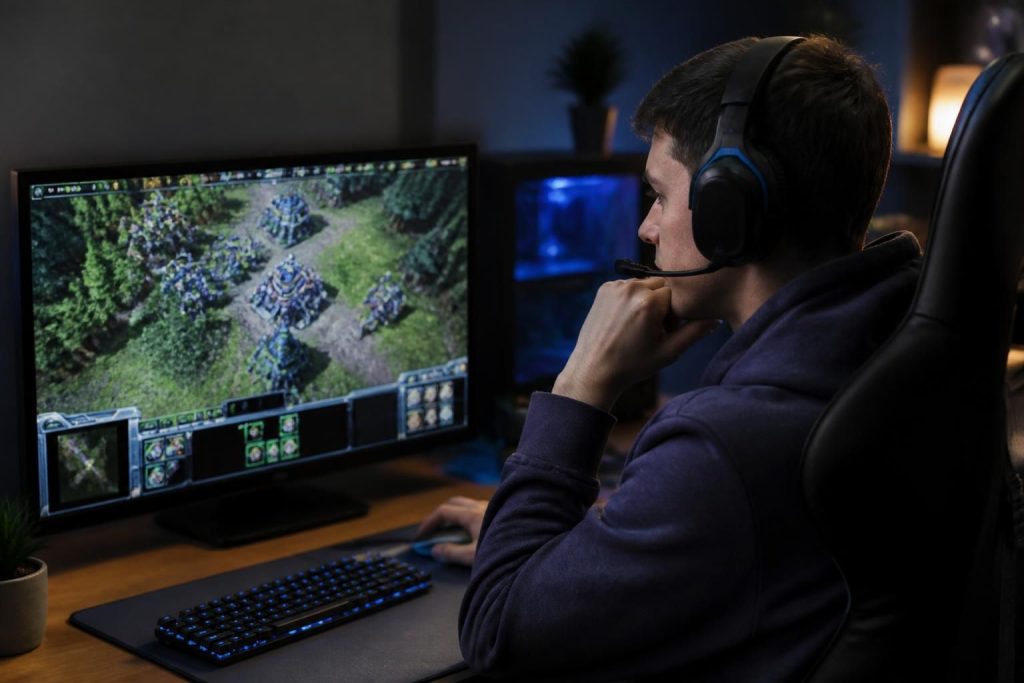

Strategy games and planning skills are intricately linked, with the former serving as a practical training ground for the latter. As players engage in various forms of strategy gaming, they are not only entertained but also honing a variety of cognitive abilities that can significantly enhance their decision-making and planning skills. This article delves into the impact of strategy games on cognitive development, explores the various types of strategy games available, and examines how these games foster critical thinking and planning aptitude.
Understanding the Cognitive Benefits of Strategy Games
Strategy games are designed around complex scenarios where players must make decisions that impact the game’s outcome. These games require foresight, adaptability, and a keen understanding of both short-term and long-term consequences. As players dissect game mechanics and strategize their approaches, they naturally exercise their planning skills. Research indicates that regular engagement with strategy games can lead to improved problem-solving abilities and enhanced mental flexibility.
In particular, strategy games can train players to evaluate risks and rewards, helping to build a framework for effective decision-making. The cognitive load involved in these games encourages players to categorize information, weigh options, and predict opponents’ moves. Consequently, they develop a richer understanding of strategic thinking, which can be applied outside of the gaming environment in real-world situations such as business planning or project management.
Types of Strategy Games and Their Unique Contributions
There are several categories of strategy games, each offering distinct advantages that contribute to the enhancement of planning skills. Here are some prominent genres:
- Real-Time Strategy (RTS): Games like “StarCraft II” and “Age of Empires” require players to make quick decisions while managing resources and units in an evolving environment. The necessity to adapt strategies on the fly cultivates a high level of cognitive agility.
- Turn-Based Strategy (TBS): Titles such as “Civilization VI” allow players to plan their moves thoughtfully over multiple turns. This genre emphasizes long-term planning and critical analysis, as players must consider the implications of each action on future gameplay.
- Grand Strategy: Games like “Crusader Kings III” involve extensive planning over long periods, demanding players manage entire nations. The complexity of these games sharpens strategic foresight and enhances organizational skills.
Additionally, mobile strategy games have surged in popularity, such as “Clash of Clans” and “Plants vs. Zombies.” These games often have simplified mechanics yet still require strategic thinking and planning to succeed. They offer opportunities for players to develop their skills in shorter, more digestible sessions, making strategic gameplay more accessible.
How Strategy Games Enhance Planning Skills
Engaging with strategy games actively promotes the development of planning skills through various mechanisms. Players often must balance multiple objectives, manage resources, and prioritize tasks effectively. This multifaceted approach to gameplay translates directly to improved real-life planning capabilities. For more on this topic, see สล็อต.
For instance, players of strategy games frequently execute plans that involve setting goals, anticipating challenges, and adjusting their approaches based on the evolving game state. This iterative process mirrors real-world project management situations where flexibility and planning are critical. Moreover, by facing setbacks in the game, players learn to analyze their failures, reassess their strategies, and devise new plans, fostering resilience and adaptive thinking.
One particularly effective way that players can enhance their planning skills is through the use of visual aids such as maps or grid systems, which are common in many strategy games. These tools help players visualize their strategies, organize their thoughts, and predict future moves, reinforcing the connection between spatial reasoning and effective planning.
The Role of Online Communities in Developing Strategy Skills
Online gaming platforms have become social hubs where players can share strategies, seek advice, and collaborate on in-game challenges. These communities foster a culture of learning that can significantly enhance players’ planning abilities. Engaging with others in strategy discussions or competitive play can provide insights that challenge an individual’s thinking and encourage them to refine their strategies.
Additionally, forums and live streams allow players to observe how others approach problems, offering new perspectives on planning and execution. The exchange of ideas within these communities can stimulate critical thinking and inspire players to experiment with novel strategies. Overall, this social aspect of gaming not only enriches the experience but also enhances cognitive development in meaningful ways.
Conclusion: The Lasting Impact of Strategy Games on Cognitive Skills
Strategy games and planning skills are deeply interconnected, with the former providing a rich environment for players to cultivate their cognitive abilities. By engaging in various genres of strategy gaming, players can enhance their decision-making, critical thinking, and adaptability. The process of strategizing and executing plans translates not only within the game world but also into real-world applications, making strategy games an invaluable tool for personal development. As players continue to explore and engage with these games, they will likely find that their planning skills improve, fostering a new level of strategic thinking that benefits them in many aspects of life.
